After the floods: Malawi schools show resilience

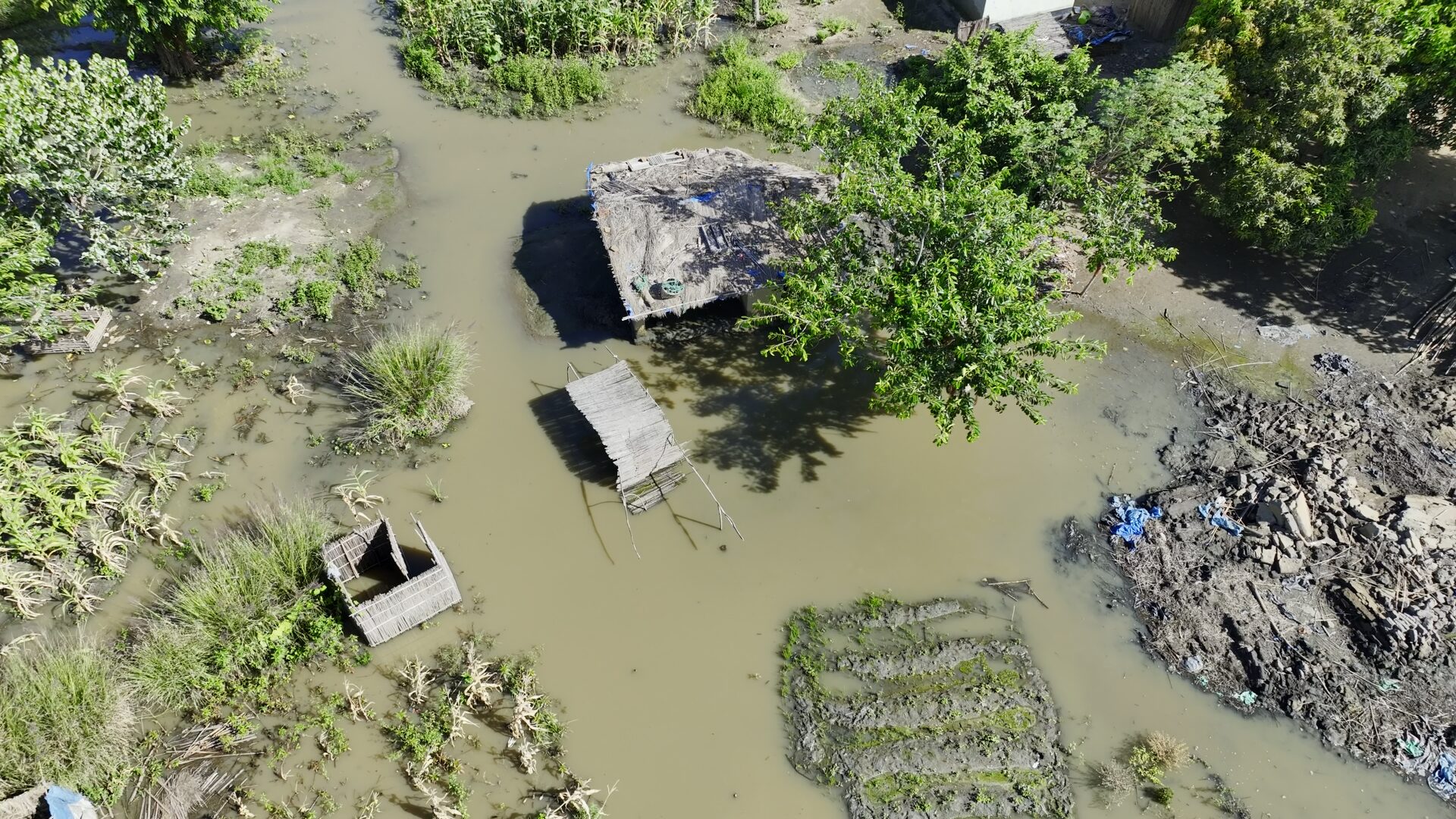
Days before schools in Malawi were due to reopen for the second term in January 2026, heavy rains began to fall. More than 100mm of rain fell in just a few hours. Across the country, rivers burst their banks, and roads disappeared underwater. Classrooms filled with displaced families, while some schools suffered severe flooding and damage. In previous years, this would have meant weeks or months of disruption.
But this time was different.
“Clear standard operating procedures, trained teachers, improved coordination, and stronger planning frameworks were already in place,” says Anderson Moyo, a Senior Technical Advisor, Education and Child Development with Save the Children.
While some schools were used as shelters for internally displaced people, new guidelines limiting their use to typically no more than 72 hours significantly reduced learning disruption compared to previous disasters.
“There was still learning loss in some districts, and we saw damage to classrooms, toilets, and teaching materials. We also observed psychosocial impacts on learners,” Moyo adds. “But the coordination mechanisms and preparedness systems we had established helped mitigate what could have been much worse.”
The recent floods – and the organised response to them – underscored the urgent importance of the Climate Smart Education Systems Initiative’s work in strengthening climate and disaster resilience within Malawi’s education system.
Launched in Malawi in 2024, the Climate Smart Education Systems Initiative completed its final implementation phase in December 2025. Much was achieved in that time, benefitting 128 primary schools across the country.
“One of our major achievements was supporting the Ministry of Education to conduct a comprehensive climate risk analysis for the education sector,” Moyo says. “That resulted in a formal risk report, a coordination roadmap, and an options paper to strengthen governance mechanisms.”
Another key achievement was the inclusion of education in Malawi’s National Adaptation Plan (NAP). Education has often been overlooked in countries’ NAPs – the result of poor coordination between education and climate ministries, and limited recognition of education as a climate-vulnerable sector.
Malawi is also integrating climate-smart education across primary, secondary, and teacher education curricula. Climate change has been recognised as a cross-cutting theme, ensuring that learners acquire the knowledge and skills needed for both mitigation and adaptation.
The country is affected by climate change in a range of ways, each one impacting students and their education. Drought leads to poor harvests, which means some students go without food at school, making learning difficult. Increasingly severe cyclones damage schools, sometimes blowing off roofs. When entire villages are damaged, schools are often used as makeshift shelters, further disrupting education.
One focus of the Climate Smart Education Systems Initiative is therefore on school safety and infrastructure, ensuring that schools are as climate-resilient as possible.
“We supported the review of school infrastructure designs to ensure they are climate-resilient,” Moyo says. “This included foundations, roofing, ventilation, and overall structural considerations.”
The review, conducted with the Malawi University of Science and Technology, ensured that future school infrastructure is better adapted to the current realities of climate change. This is critical because rebuilding to the same standards without factoring in climate risks will only lock in future losses.
Emergency training
Of course, infrastructure is just one aspect of protecting students and teachers from the impacts of climate change – it is equally important that those inside schools know what to do in the case of an emergency.
“One of the most practical impacts [of the Climate Smart Education Systems Initiative] has been the development and rollout of standard operating procedures for school safety and education continuity. These cover hazards such as flooding, earthquakes, lightning, fire, and heatwaves,” Moyo says.
These procedures were piloted in 121 schools across five districts, and saw more than 200 teachers trained to conduct drills and disaster simulations.
“Previously, schools relied heavily on external actors such as the Malawi Defence Force or the Red Cross. Now, the capacity exists within the education system itself. That makes the system more sustainable and less costly,” Moyo says.
But resilience requires more than planning and infrastructure – it requires funding, with cost a key component of every country’s climate mitigation and adaptation efforts. However, the education sector has long been overlooked when it comes to accessing climate finance. In 2021, only 1.5 per cent of climate finance went to the education sector, a gap that the Climate Smart Education Systems Initiative is attempting to bridge.
“As part of our work around finance, we supported the development of a Climate Finance Roadmap for the education sector,” Moyo says. The roadmap identifies funding opportunities, outlines steps to access climate finance, and helps quantify financing gaps.
“It has become a reference document for the Ministry when engaging with donors and partners.”
Next steps
As Moyo looks back at the project, he pinpoints improved coordination as its biggest impact.
“For the first time, climate change discussions in education are happening alongside the Environmental Affairs Department, teacher training colleges, learners, teachers, the Directorate of Climate Change and Metrological Services, Department of Disaster Management Affairs, academia, the Malawi Institute of Education, and the Ministry of Local Government. Education is now part of national climate coordination platforms,” he says.
“The biggest impact has been improved coordination and institutional change,” he adds.
The materials developed under this programme – such as the risk assessment, safety manuals, and climate finance roadmap – are now being used as reference documents nationally, and even shared internationally. Malawi’s experience has been presented in UNESCO webinars and shared with partners in countries such as Colombia and Brazil.
“The programme has created space for education to be recognised as a critical sector in climate resilience planning. That shift in mindset and coordination is perhaps the most lasting impact,” Moyo says.
There is still much work to be done in Malawi, with the next steps for the country include supporting the Ministry of Education, Science and Technology to apply for climate finance using the Climate Finance Road Map; implementing the Green Schools initiative; mainstreaming climate smart education within the national curriculum; integrating climate change data into the Education Information Management System; disseminating guidelines for the use of schools during emergencies such as fires, earthquakes, heat waves and floods across all schools nationwide; and rolling out coordination mechanisms across all education districts in the country.
Comments
There is no contentYou must be logged in to reply.