Education in Climate Policies – Why Do We Care?

There are 2.4 billion children around the world today. Nearly half of those children live in countries highly susceptible to – and in many cases already experiencing – the effects of climate change.
Imagine being able to help a huge number of these children through updating, funding and implementing child-responsive climate policies. Imagine if every country in the world included education in their next climate commitments.
How many lives could be transformed? How many children could be supported with quality education delivering vital skills and knowledge to address and adapt to climate change?
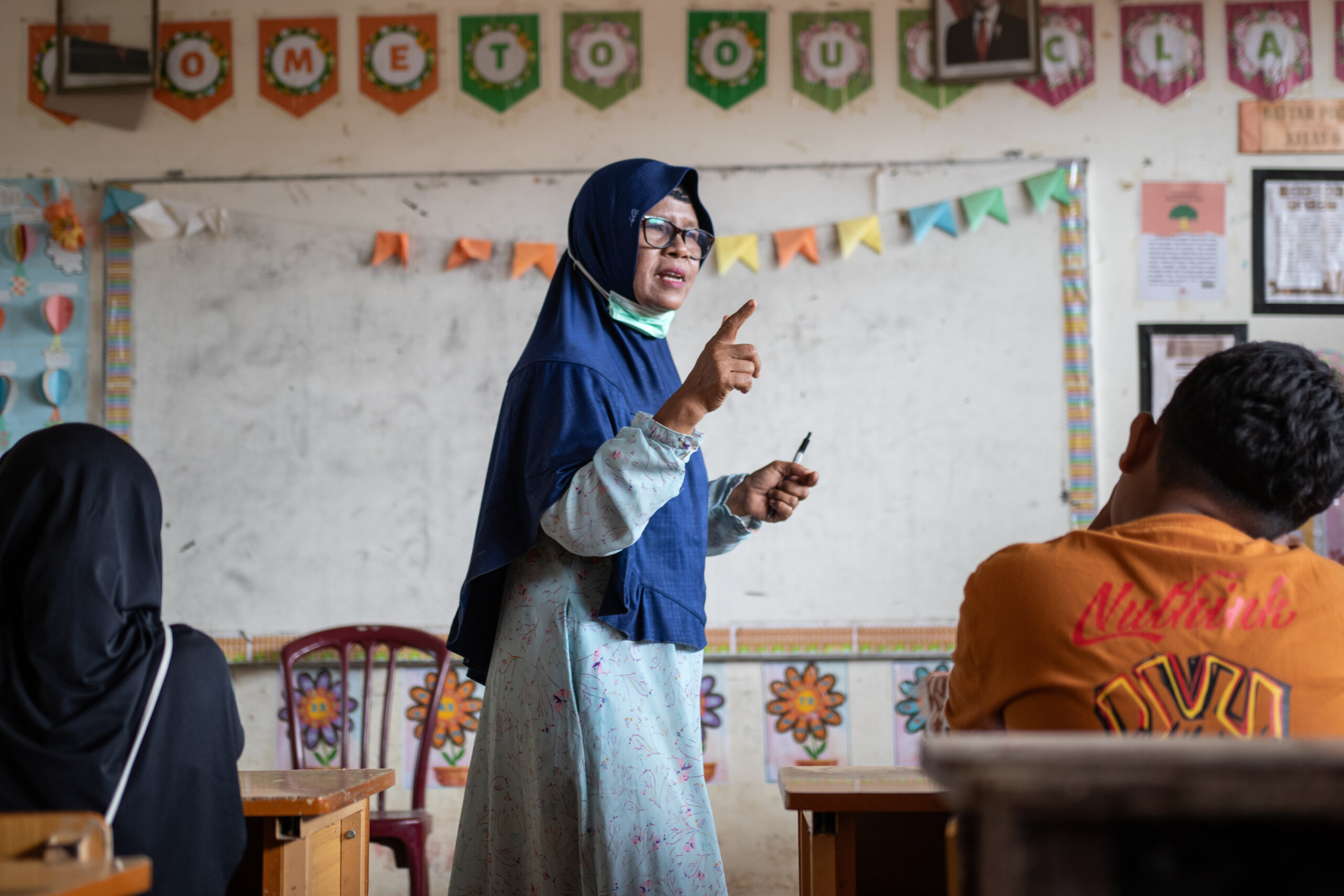
We know that there are schools all over the world with too many children per classroom, classrooms not built to withstand floods and cyclones, with no teachers with training on climate change, no contingency plans or resources on standby. We know that when floods, heatwaves, cyclones or droughts occur, children’s learning is impacted. Their schools are closed, their routes to school too risky to traverse, their classrooms often damaged or destroyed. During monsoon season, rain batters the classrooms so hard it can be impossible to even hear the teacher.
Schools are rarely connected to early warning systems, so often there is no warning of impending disasters and teachers and students alike do not have procedures in place or rehearsed safety plans to know what to do – schoolbooks and homework are washed away, along with details of children’s grades and progress. Compounding the immediate impacts on learning, schools are often used as shelters for days or weeks on end, further curtailing children’s learning. We know all this, and yet we also know the powerful role that education can play as a driver of climate resilience and action.
Read the full article on the GPE website here.
Comments
There is no contentYou must be logged in to reply.