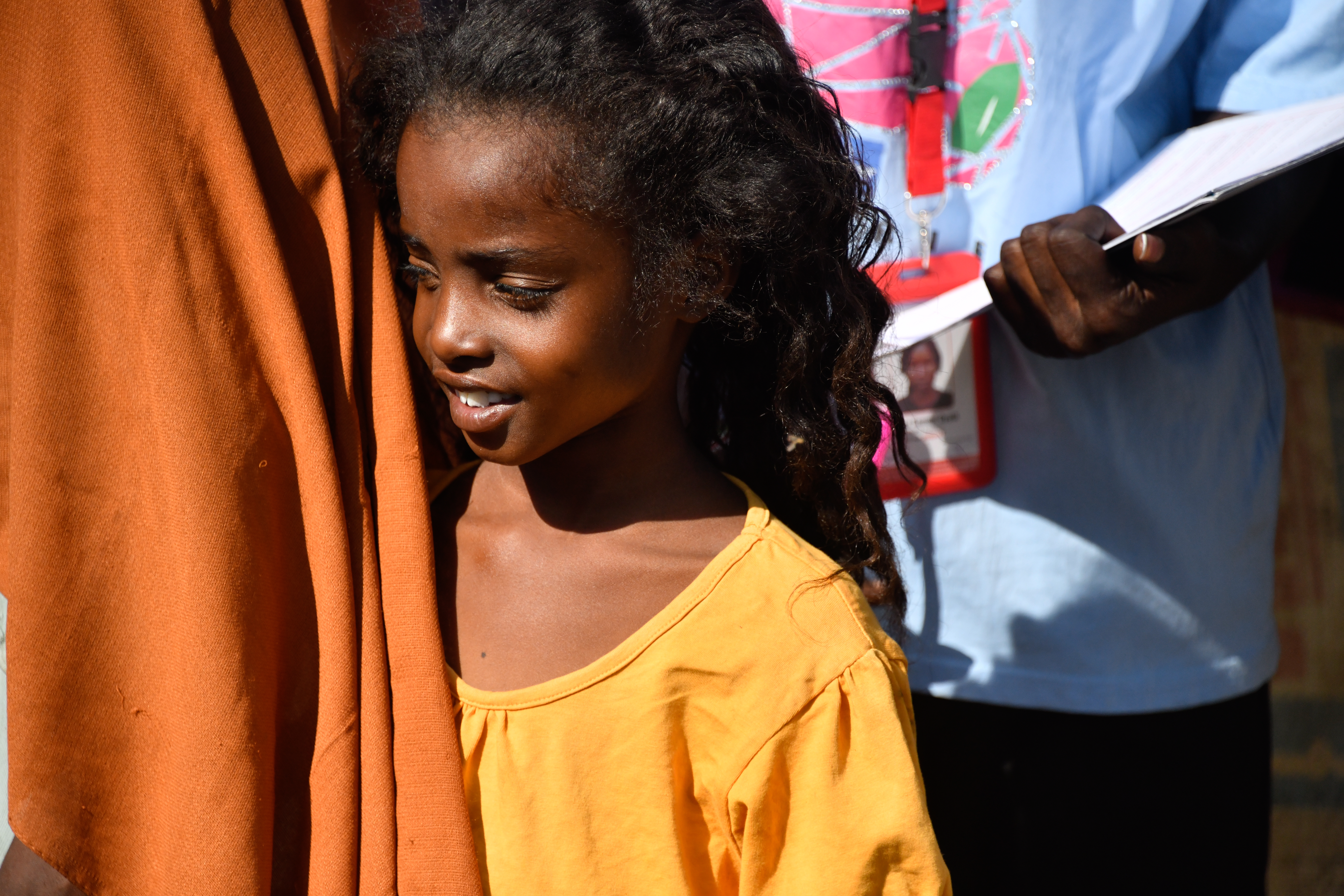
Everything you wanted to know about BRACE but were afraid to ask

The BRACE project (Building the Climate Resilience of Children and Communities through the Education Sector) is a landmark climate change adaptation initiative. It’s the first major education-focused climate resilience effort, and aims to protect learning, strengthen education systems, and prepare communities for a rapidly changing climate in Cambodia, South Sudan and Tonga. Co-funded by the Green Climate Fund (GCF) and the Global Partnership for Education (GPE), the project will share evidence and key learnings to expand access to climate finance more broadly.
Why is BRACE important?
Climate change is increasingly disrupting education systems worldwide – from flooding and storms to heatwaves and droughts – leading to school closures, absenteeism, and rising dropout rates in climate-exposed countries. This affects children’s wellbeing and learning.
BRACE directly tackles these challenges by integrating climate resilience into education planning, infrastructure, and policy. At its core, the project ensures children can continue learning safely even as climate hazards intensify, recognising that schools are not only places of education but also critical community hubs during crises.
Where is BRACE happening?
BRACE is being implemented in three highly climate-vulnerable countries with very different contexts, but a shared need to protect education systems from the impacts of climate change: Cambodia, South Sudan, and Tonga.
These countries represent a diverse set of contexts, including a Small Island Developing State (Tonga), an emerging middle-income country (Cambodia), and a Least Developed Country and fragile, conflict-affected state (South Sudan). By generating evidence on effective approaches across these varied settings in some of the world’s most climate-vulnerable countries, BRACE will help build the knowledge base needed to support a wider range of countries to strengthen the resilience of their education systems in the future..
In addition, BRACE facilitates knowledge-sharing and evidence development through both a website on climate and education and coordination of a global platform bringing together key climate and education stakeholders on climate finance issues.
What does BRACE do?
The project operates through three interlinked components:
Building climate-resilient schools and systems: BRACE strengthens school infrastructure to withstand extreme weather – upgrading buildings, water systems, and ventilation. But it goes further: supporting national policies, training teachers and school leaders in disaster preparedness and school safety planning, establishing early warning systems that alert schools before disasters strike, and embedding climate change into the curriculum.
Enhancing access to climate finance for education: BRACE helps education ministries access climate finance and lead climate-resilient development in their sector. It facilitates the understanding of climate risks, integration of education into national climate plans, and tapping of dedicated funding streams for long-term adaptation. The approach will be shared globally.
Coordination and knowledge-sharing BRACE brings together education and climate communities to ensure education features more prominently in global climate finance. It establishes a coordination platform connecting governments, donors, and civil society to exchange lessons and replicates successful strategies across countries. It also facilitates sharing of evidence through a website dedicated to climate and educat
Who’s Involved?
BRACE is funded by the Green Climate Fund and the Global Partnership for Education and led by Save the Children in partnership with education ministries in Cambodia, South Sudan, and Tonga. Environment and disaster management agencies support delivery, with local partners helping reach remote communities. Beyond the three countries, a global education and climate platform will connect donors, governments, and civil society to scale up climate finance for education worldwide. This collective – spanning local, national, and international actors – helps ensure the project remains grounded in local needs while tapping global climate expertise..
How much is it costing?
The GCF is providing US$40.75 million in grant funding, with nearly US$6 million in co-financing. This reflects a strategic shift: for the first time, climate resilience funding is being systematically directed toward education as a priority adaptation sector – not just infrastructure for energy, transport, or agriculture..
Why is BRACE groundbreaking?
BRACE marks the first time the GCF has invested in a project focused solely on the education sector, which elevates education as a key climate adaptation priority, recognisingand recognises that learning continuity is essential for resilience and development. It builds replicable models that other countries can follow – from resilient school design to climate-responsive policy frameworks – and aims to unlock larger climate finance flows for education globally. In practical terms, it helps children stay in school, keeps communities informed and prepared, and equips national systems to withstand climate shocks, fundamentally protecting learning outcomes and futures.
What happens next?
BRACE runs until 2030, with implementation phases adapting to each country’s unique challenges. Success will be measured not just in infrastructure upgrades, but in learning continuity, policy adaptation, and education systems’ resilience. The lessons learned will help scale up climate-resilient education globally, equipping stakeholders with proven tools to address climate risks. The momentum is building – sustainable, long-term change is possible.
Learn more about BRACE here.
Comments
There is no contentYou must be logged in to reply.