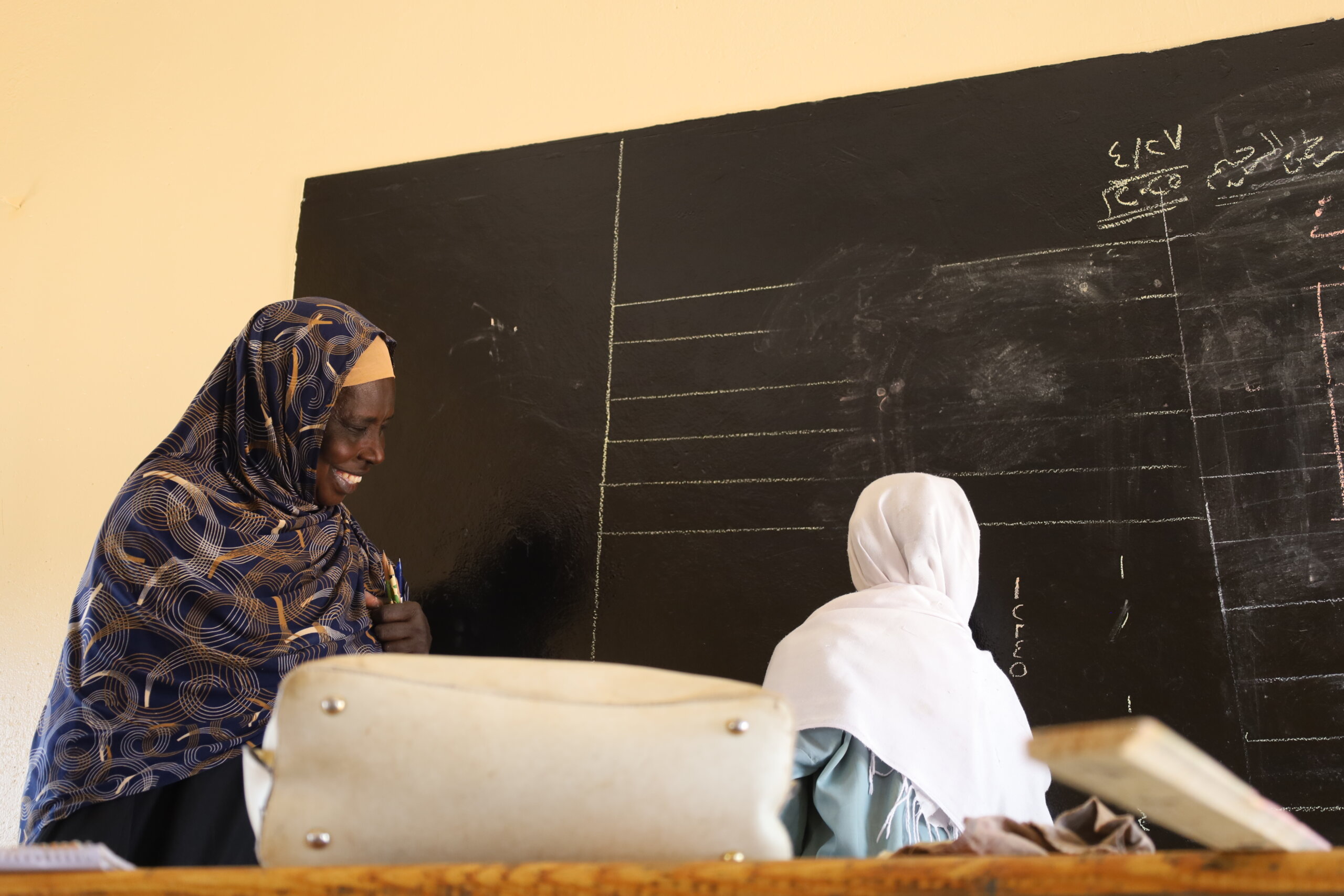
How educators in Africa are transforming challenges into action

For many teachers, climate change is no longer a topic restricted to geography books: it is unfolding right outside their classroom windows. Floods wash away bridges, leaving learners stranded and unable to attend class. Heatwaves lead to dizziness, dehydration, and poor concentration.
Droughts contribute to food shortages, leaving young people hungry, distracted, or absent altogether. And when school buildings are damaged by storms or heavy rain, lessons simply cannot take place. Educators describe these challenges not as occasional disruptions, but as the new normal – conditions that now shape school calendars, attendance patterns, and the emotional lives of learners. Despite these constraints, educators have not retreated. They have adapted, and often in beautifully creative ways.
From bringing learning outdoors to play-based and experiential learning, teachers across Africa are embracing innovative ways to teach students about climate change.
Read the full article on Brookings.edu here.
Comments
There is no contentYou must be logged in to reply.